


After a death, the paperwork can feel endless. Along with grief, there may be bills to stop, accounts to close, and important mail to redirect.
This guide walks through a practical approach to cancelling and updating services in Canada, including banks, utilities, subscriptions, and mail.
The quick take
Start by gathering proof of death and proof of authority.
Keep essential services running until you know what the home or estate needs.
Do not cancel the main email address or phone number too soon.
Track every cancellation, reference number, and confirmation.
Before you cancel anything
A little preparation can save time and prevent problems later.
Gather the documents providers may ask for
Most providers will want some combination of:
- proof of death, such as a funeral director’s statement or death certificate
- proof that you are authorized to act, such as a will, probate documents, letters of administration, or Québec liquidator documents
- your own contact information and identification
If mail needs to be redirected or picked up on behalf of the person who died, additional documentation may be required.
Decide what should stay on for now
Not every service should be cancelled right away.
If there is still a home involved, you may need to keep certain services active for a period of time, such as:
- heat or electricity
- home insurance requirements
- alarm monitoring
- internet or phone access needed for account recovery or estate tasks
If you are unsure, keep essential services in place until you confirm what is needed.
Keep the main email and phone active a little longer
Email addresses and phone numbers are often used for password resets and verification codes. Cancelling them too early can make it harder to access or close other accounts.
In most cases, these should be among the last services you cancel.
A practical order to follow
This order helps reduce fraud, stop unnecessary charges, and avoid losing access to important information.
- banks and payment methods
- utilities and property-related services
- subscriptions and memberships
- mail forwarding and mail authority
Government notifications are part of this process too, but they usually run alongside account closures rather than replacing them.
Banks and credit cards
Start with financial accounts. The goal is to protect the estate, stop unauthorized activity, and understand what happens next.
When you contact a bank or credit card provider, ask them to:
- note the death on the account
- flag the account for estate handling
- review or stop pre-authorized payments
- explain what happens to joint accounts
- explain what happens to credit cards and secondary cardholders
- confirm what documents they need from the executor, administrator, or liquidator
Keep a record of the department name, the person you spoke with, the date, and any reference number.
Utilities
Utilities need a little more thought because the right next step depends on the situation.
For example:
- Is someone still living in the home?
- Is the property being sold?
- Does insurance require heat or electricity to stay on?
- Are payments coming out automatically?
Depending on the answer, you may need to:
- transfer the account
- keep the service active for a short time
- cancel the account and request a final bill
If a service is ending, ask for written confirmation and make sure the provider has the correct forwarding address for the final statement.
Subscriptions and memberships
These are often the quickest accounts to deal with, and they can save money right away.
Look for recurring charges in:
- bank statements
- credit card statements
- phone app subscriptions
- email receipts and renewal notices
Search the inbox for words like:
- receipt
- subscription
- renewal
- invoice
When you contact a provider, ask them to:
- cancel the service
- stop future billing
- send written confirmation
- review whether any refund is available
Some companies may refund part of a billing period. Others will not. It is still worth asking.
Mail forwarding and mail access
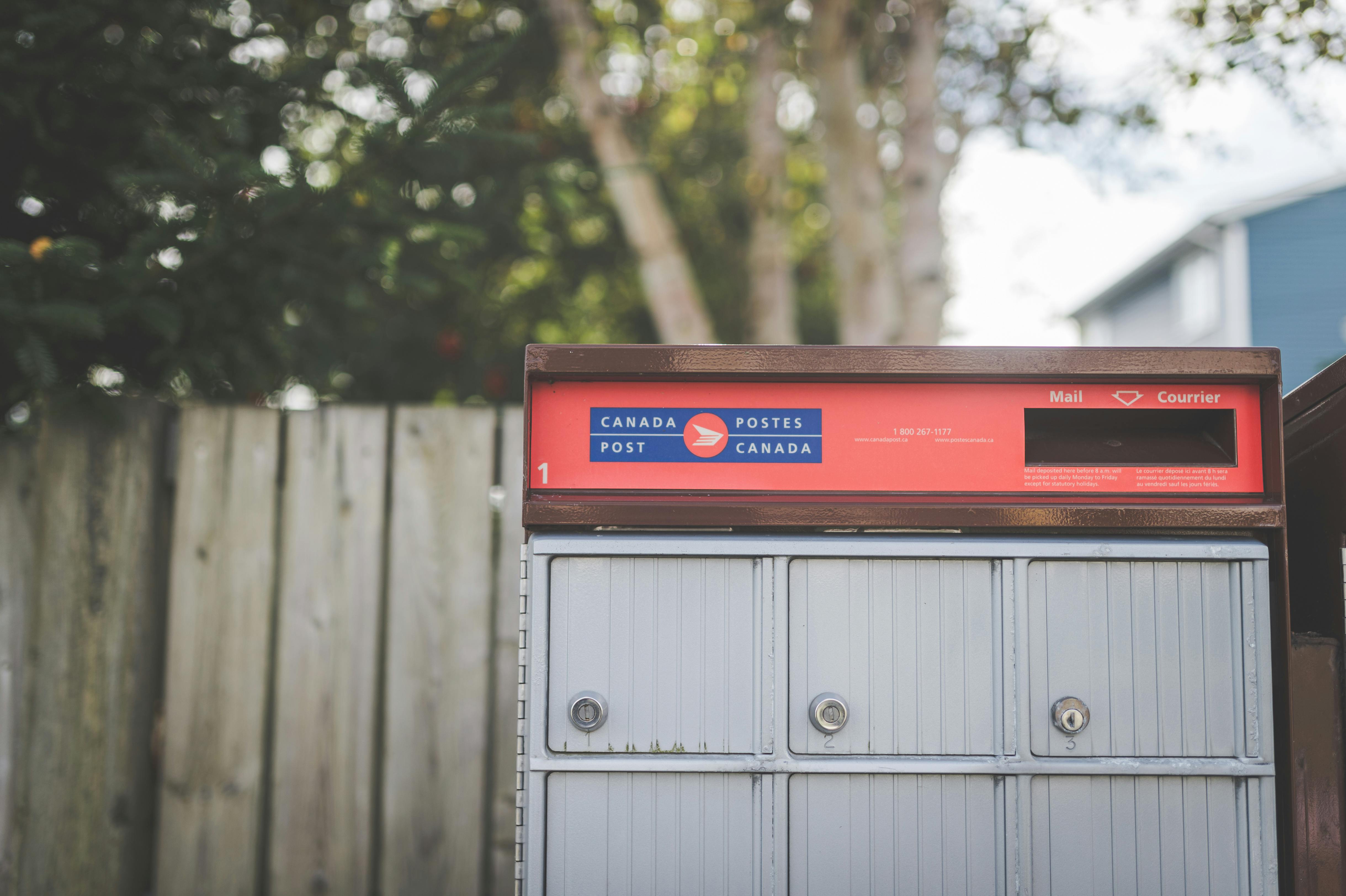
Important estate documents often arrive by mail, including tax slips, insurance notices, and final bills.
If mail is still being sent to the deceased person’s address, redirecting it can help prevent missed deadlines and lost information.
There are usually two separate issues to think about:
- forwarding future mail
- getting authority to receive or pick up mail addressed to the person who died
Make sure the organization sending the mail also updates its records with the correct contact name and address.
A simple way to stay organized
This work is easier when you keep a running log.
For each service, note:
- the company name
- the account number
- the date you contacted them
- what they told you
- any documents sent
- the confirmation number
- whether the task is complete
That can save a lot of stress if you need to follow up later.
Templates you can use
These are written to sound natural and clear, without sounding too formal.
Phone script: bank or credit card
Hi, my name is [NAME]. I am calling to let you know that [FULL LEGAL NAME] died on [DATE].
I am the [executor / liquidator / administrator / next of kin], and I would like to understand your process for updating the account. I need to note the death on file, review or stop any pre-authorized payments, and understand what documentation you require.
Can you tell me what documents you need, where I should send them, and provide a reference number for this request?
Email or letter: utility provider
Subject: Request to cancel or transfer service for [ACCOUNT NUMBER]
Hello,
I am writing to let you know that [FULL LEGAL NAME], the account holder for [SERVICE ADDRESS], died on [DATE].
I am the [executor / liquidator / administrator] for the estate. Please let me know the steps to [cancel the service effective DATE] or [transfer the account to the estate or to NAME].
Account details:
- Account holder: [NAME]
- Service address: [ADDRESS]
- Account number: [NUMBER]
- Preferred contact: [YOUR NAME, PHONE, EMAIL]
- Forwarding address for final bill: [ADDRESS]
I can provide proof of death and proof of authority if needed.
Thank you,
[YOUR NAME]
Email: subscription or membership cancellation
Subject: Request to cancel account for [NAME OR EMAIL ON FILE]
Hello,
I am requesting cancellation of the account for [FULL LEGAL NAME], who died on [DATE].
Please cancel any paid services or recurring charges associated with this account.
Account details:
- Email or username: [EMAIL / USERNAME]
- Last four digits of the card on file, if known: [1234]
Please confirm by email once the cancellation is complete, and let me know if you need proof of death or proof of authority.
Thank you,
[YOUR NAME]
Email or letter: mailing address update
Subject: Mailing address update for deceased individual
Hello,
I am contacting you regarding correspondence addressed to [FULL LEGAL NAME], who died on [DATE].
Please update the mailing address for future correspondence to:
[YOUR NAME]
[MAILING ADDRESS]
[PHONE]
[EMAIL]
I am the [executor / liquidator / administrator] and can provide supporting documentation if needed.
Thank you,
[YOUR NAME]
A practical way to manage it with Solace
If you are dealing with multiple calls, forms, and follow-ups, Solace can help you stay organized. The Closing accounts section helps people manage tasks like banks, utilities, subscriptions, and mail-related updates, while keeping track of what is done and what still needs attention.
Button text: Get Solace
Quick checklist
- [ ] gather proof of death and proof of authority
- [ ] decide which services need to stay active for now
- [ ] contact banks and payment providers first
- [ ] review utilities before cancelling anything tied to the home
- [ ] stop subscriptions and memberships
- [ ] redirect or update mailing information
- [ ] keep the main email address and phone number active until they are no longer needed
- [ ] write down confirmation numbers and next steps
FAQ
Should I cancel utilities right away?
Not always. If the home is still occupied, being sold, or subject to insurance requirements, some services may need to stay active temporarily.
Should I close the phone and email first?
No. In many cases, those are still needed for account access, password resets, and verification codes.
Can I redirect someone’s mail after they die?
There is a process for managing mail on behalf of a deceased person, but you may need proof of death and proof that you are authorized to act.
What is the most important thing to track?
Keep a simple record of every account, who you contacted, what documents were sent, and whether you received written confirmation.
Disclaimer: This article provides general information, not legal or financial advice. Processes vary by provider and by your legal authority. If you are unsure what you are allowed to access, cancel, or change, ask the provider about their process or get legal advice for the estate.